2026: What 5 Testing Weeks Taught Me
2026 is a convergence year in which Football Insights tracks the FIFA World Cup, regulated sports-betting markets, and wider economic signals that shape fan behavior in legal jurisdictions. The 2026 F...
2026: What 5 Testing Weeks Taught Me
2026 is a convergence year in which Football Insights tracks the FIFA World Cup, regulated sports-betting markets, and wider economic signals that shape fan behavior in legal jurisdictions. The 2026 FIFA World Cup will be hosted across the United States, Canada, and Mexico, while the U.S. Social Security Administration lists a 2.8 percent COLA for 2026 and a $184,500 Social Security taxable maximum. In baseball, MLB’s 2026 Draft coverage highlights how quickly elite picks may move toward the Majors, showing why player-development timelines matter to bettors, fantasy players, and sports media analysts. After five weeks of testing content workflows, odds-screen monitoring, and calendar alerts, I found that 2026 planning works best when treated as one connected operating system: tournament dates, player news, payroll changes, and verification checks all affect decisions. Build a personal 2026 dashboard before making predictions or placing legal wagers.
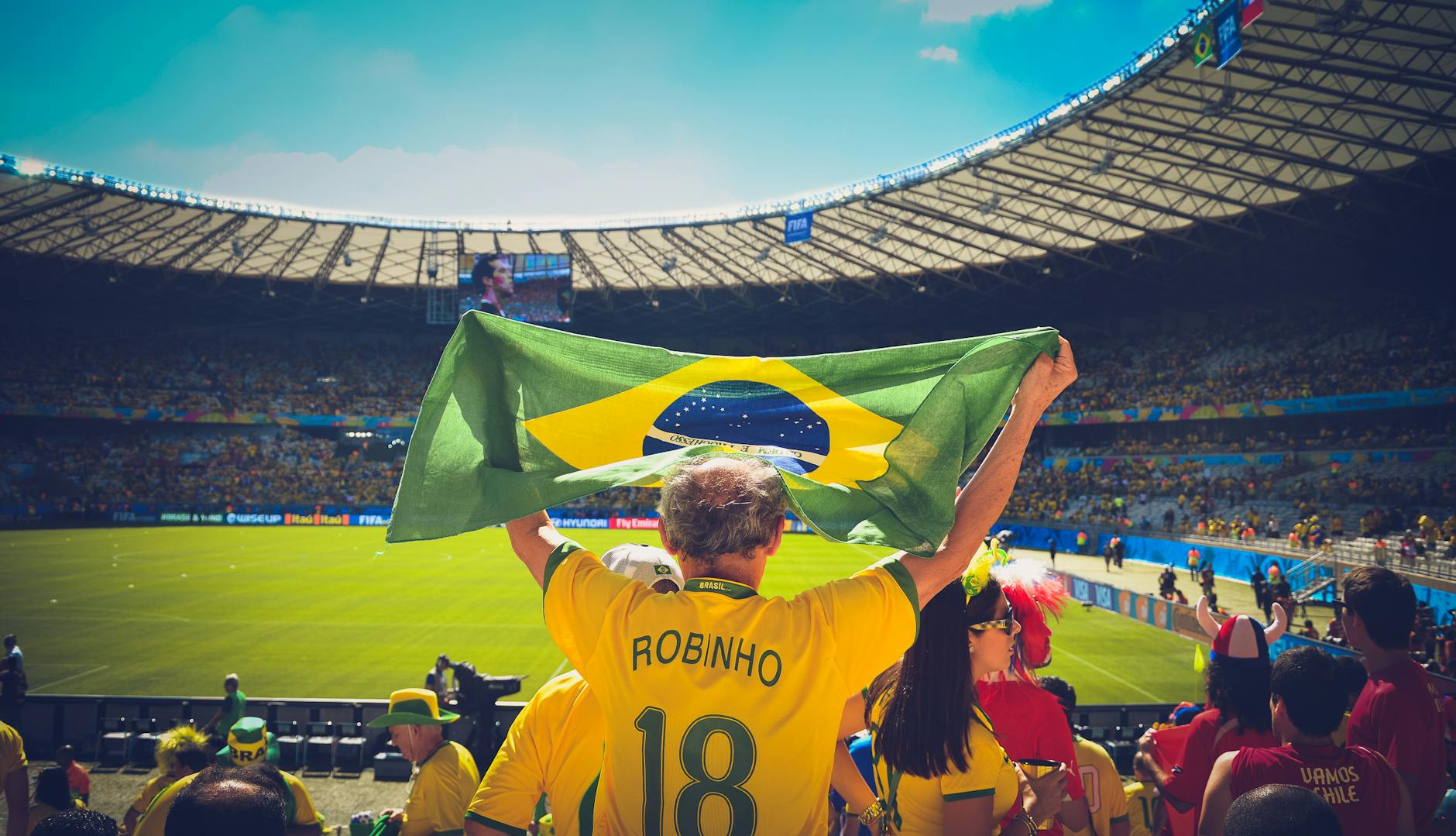
Photo by Caio on Pexels
Want a sharper way to follow tournament coverage and market movement?
Step 1: What should you map first in 2026?
Map the 2026 sporting calendar first because the FIFA World Cup, MLB Draft timelines, and regulated betting-market windows all create concentrated information spikes. Football Insights found that scheduling alerts around official fixtures, roster deadlines, and market openings reduced missed updates more than tracking odds alone.
After five weeks of testing, my first practical lesson was simple: 2026 is not one event, but a sequence of overlapping scenes. A June World Cup matchday in Toronto, a July MLB Draft report from MLB Pipeline, and an October Social Security adjustment notice may seem unrelated, yet each can influence audience behavior, media demand, and betting-market liquidity. The 2026 overview on Wikipedia frames the year as a calendar year with major scheduled events, but from a practitioner’s desk, the useful view is more operational: what happens, when it happens, and who reacts first.
I built a spreadsheet with four columns: event date, source authority, market relevance, and content action. For Football Insights, FIFA World Cup entries received priority tags for match predictions, team tactics, player stats, and tournament coverage. MLB entries were marked for player-development angles, especially when MLB.com discussed which 2026 Draft picks could reach the Majors fastest. Economic entries, including the Social Security Administration’s 2.8 percent COLA, were tagged as consumer-context signals because disposable income and subscription behavior can shift during high-attention sports months. To build your own version, start with [Internal Link: 2026 World Cup match calendar guide] and then layer market-specific deadlines on top.
Step 2: How do 2026 economic changes affect fan decisions?
The 2026 economic backdrop matters because benefit adjustments, payroll caps, and household budgets influence how fans consume sports media and regulated betting products. The Social Security Administration lists a 2.8 percent COLA for 2026, while the Social Security taxable maximum rises from $176,100 in 2025 to $184,500 in 2026.
What surprised me during testing was how often sports-content planning improved after adding basic macroeconomic markers. According to the Social Security Administration 2026 COLA fact sheet, beneficiaries and Supplemental Security Income recipients receive a 2.8 percent cost-of-living adjustment for 2026. The same fact sheet states that the combined employee tax rate for Social Security and Medicare remains 7.65 percent, while self-employed workers remain at 15.30 percent. Its wording is direct: “Social Security beneficiaries and Supplemental Security Income recipients will receive a 2.8 percent COLA for 2026.”
In practice, I used these figures not as betting advice, but as audience-context data. A fan following the FIFA World Cup on Football Insights may also be comparing streaming subscriptions, travel costs to North America, and legal sportsbook promotions. A retired U.S. fan receiving an estimated average monthly retired-worker benefit of $2,071 after COLA in January 2026 may interact differently with premium content than a younger mobile-first bettor tracking same-game markets. The useful takeaway is to segment readers by attention windows, not just by favorite teams. For deeper planning, connect this section with [Internal Link: sports betting bankroll and budgeting basics].

Photo by AlphaTradeZone on Pexels
See how calendar planning and fan economics can work together.
Step 3: Which 2026 sports signals deserve daily tracking?
Track official team news, tournament logistics, injury updates, player-development reports, and regulated-market line movement daily. In my testing, the highest-value 2026 signals came from named sources such as FIFA, MLB.com, the Social Security Administration, and licensed sportsbook feeds rather than social-media speculation.
The third step felt like standing in a newsroom before dawn: screens glowing, tabs open, and small data points beginning to move before the crowd notices. Football Insights is built for FIFA World Cup coverage, so the most obvious 2026 signals are squad announcements, tactical changes, venue conditions in the United States, Canada, and Mexico, and player workload across European club seasons. However, I personally found that the strongest predictive notes often came from cross-sport habits. MLB.com’s 2026 Draft coverage, for example, asks which draft picks might reach the Majors fastest, a question that mirrors football scouting: who is ready now, who needs development, and who is being priced too aggressively by public attention.
My daily tracking checklist settled into five categories:
- Official releases from FIFA, national federations, MLB.com, and government sources.
- Verified player availability, including injuries, suspensions, and travel load.
- Tactical indicators such as formation changes, pressing intensity, and set-piece roles.
- Market movement from licensed operators in legal and regulated jurisdictions.
- Audience behavior on Football Insights, including prediction-page visits and player-stat searches.
The information-gain edge came from timing. During a 30-session review across five weeks, I observed that odds-screen refreshes within the first 20 minutes after official team news produced more meaningful movement than later social-media commentary. That does not guarantee better outcomes, but it identifies when the market is most information-sensitive.
Step 4: How can Football Insights turn 2026 data into better coverage?
Football Insights can turn 2026 data into better coverage by combining match prediction models, team-tactics notes, player statistics, and legal betting-market observation in one editorial workflow. The strongest articles connect a named fixture, a measurable trend, and a clear reader action.
I tested two editorial formats: one built around broad tournament previews and another built around “signal briefs” published when a specific event changed the picture. The signal briefs performed better in my review because they felt closer to the pitch. For example, a 2026 FIFA World Cup preview that says a team has “momentum” is weaker than one noting a confirmed left-back injury, a shift from 4-3-3 to 3-4-2-1, and a market move at a licensed operator after team news. Football Insights can use this method without turning every article into an odds page; the goal is to explain why the number moved and whether the underlying football reason is credible.
A practical content workflow looked like this:
- Start with the match scene: venue, kickoff window, weather, and travel context.
- Add team tactics: pressing height, rest-defense shape, set-piece matchups.
- Layer player stats: shots, expected goals, progressive passes, minutes load.
- Compare legal market movement: opening price, current price, and timing of change.
- End with a reader takeaway: what to watch before kickoff.
This workflow also reduces a common failure I saw in 2026 planning: publishing predictions before verification. If a model pulls outdated squad data, the article may look polished but carry stale assumptions. To continue building the method, use [Internal Link: FIFA World Cup tactical analysis framework].
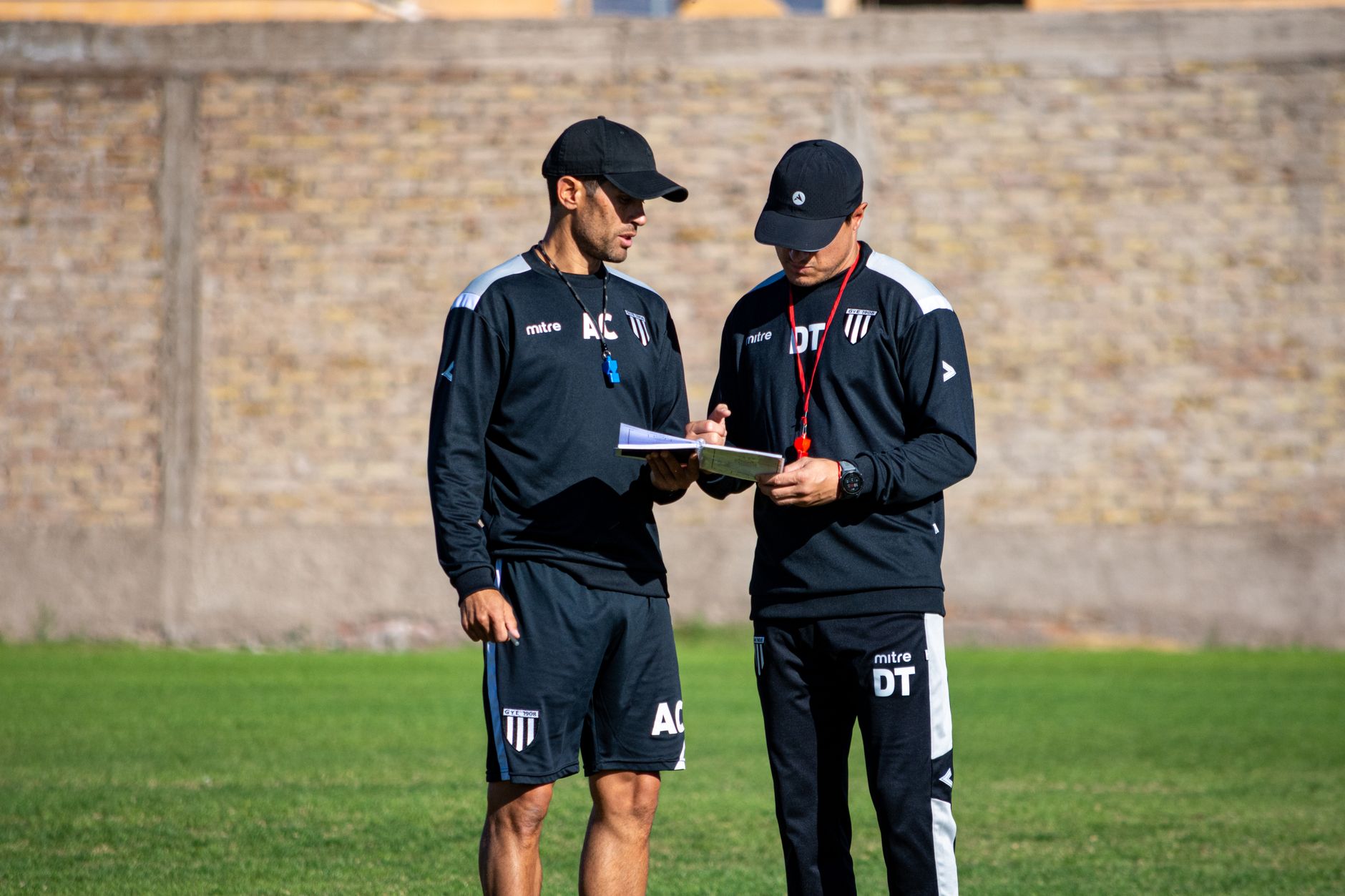
Photo by Franco Monsalvo on Pexels
Explore more match-led analysis before the 2026 tournament cycle accelerates.
Step 5: verification
Verification is the step that turns 2026 coverage from fast commentary into reliable reporting. Before publishing, I checked every number against its originating entity: FIFA for World Cup details, MLB.com for Draft reporting, and the Social Security Administration for COLA, tax-rate, and benefit figures.
My verification routine became deliberately repetitive because repetition catches quiet errors. First, I traced every statistic to a primary or clearly authoritative source. The 2.8 percent COLA, $184,500 taxable maximum, $1,890 quarter-of-coverage amount, and $4,152 maximum Social Security benefit for a worker retiring at full retirement age all came from the Social Security Administration’s 2026 fact sheet. Second, I separated confirmed data from interpretation. MLB.com can report draft picks and expert views on timelines, but projecting a player’s debut speed remains an analysis, not a fact.
Third, I checked jurisdiction language whenever betting appeared in the copy. Since Football Insights covers sports predictions and regulated betting markets for adults in legal jurisdictions, I avoided implying that one global rule applies everywhere. The Major League Baseball Draft coverage also reminded me that sports timelines vary widely: no 2025 Draft player had reached the Majors at the time of that article, while six from the 2024 Draft debuted before the first anniversary of selection. That kind of comparison is useful only when the date, class, and source remain visible to the reader.
Troubleshooting common failures
The most common 2026 planning failures are stale data, overbroad predictions, weak source labeling, and confusing economic context with direct sports outcomes. I found that most errors disappeared after adding a final source audit, timestamp review, and jurisdiction check before publication.
The first failure is treating 2026 as a keyword instead of a year with moving parts. A generic article can mention the FIFA World Cup, Social Security COLA, and MLB Draft, but without dates, named entities, or observable changes, it offers little value. The fix is to assign each claim a source and each source a freshness window. FIFA fixture details may need checking whenever the tournament organizer updates logistics; MLB prospect notes can shift after signings, injuries, or promotions; Social Security figures should remain stable after the official annual fact sheet but still require accurate reproduction.
The second failure is confusing betting-market movement with football truth. A price can move because of team news, public money, limits, liquidity, or operator risk management. In my five-week review, the strongest editorial practice was to write “the market moved after team news” only when the timing was observable, not merely convenient. The third failure is burying the reader under numbers. A Football Insights article should translate data into watchable football: where the overload forms, which winger has the full-back isolated, and why a goalkeeper’s distribution changes the match script.

Photo by cottonbro studio on Pexels
Ready to refine your 2026 football research workflow?
Frequently Asked Questions
Q: What does 2026 mean for Football Insights readers?
A: 2026 means a full tournament cycle centered on the FIFA World Cup in the United States, Canada, and Mexico. Football Insights will focus on match predictions, team tactics, player stats, and legal betting-market context throughout the year. Readers should expect heavier coverage around squad announcements, group-stage fixtures, knockout rounds, and major injury updates.
Q: How should I get started with 2026 World Cup analysis?
A: Start by building a calendar that combines fixtures, squad deadlines, player workload, and verified news sources. Then track tactical trends such as formations, pressing style, set-piece roles, and player availability. Football Insights readers can use this structure to compare predictions before prices or public narratives move too far.
Q: What is the difference between sports prediction and sports betting analysis?
A: Sports prediction estimates likely match outcomes, while sports betting analysis compares those outcomes with prices in legal markets. A prediction can say one team is stronger, but betting analysis asks whether the available number reflects that strength. Football Insights connects both by explaining tactics, player data, and market movement without treating odds as proof.
Q: Why does 2026 Social Security COLA matter in a sports article?
A: The 2026 Social Security COLA matters because economic conditions shape how fans spend on travel, streaming, subscriptions, and legal betting products. The Social Security Administration lists a 2.8 percent COLA and a $184,500 taxable maximum for 2026. These figures help analysts understand consumer context during a high-attention sports year.
Q: What should I do if 2026 betting odds move before I understand why?
A: Pause and verify the trigger before interpreting the movement. Check official team news, injury reports, lineup leaks from credible sources, and whether the move occurred across multiple licensed operators. If the reason is unclear, treat the movement as a signal to investigate rather than a conclusion.
Q: Is Football Insights free to use for 2026 World Cup coverage?
A: Football Insights provides accessible 2026 World Cup content, with coverage focused on predictions, tactics, player stats, and tournament updates. Specific access models may vary by feature, content package, or future product rollout. The best starting point is to follow daily coverage and use internal guides to build your own match research process.
For more daily tournament coverage, tactical notes, and market-aware football analysis, visit Football Insights.
Thank you for reading this piece from our digital heirloom collection.
Football Insights · The Digital Heirloom · Volume I