Football World Cup vs Fan Festival: 2026 Experience
Forty-eight teams, 104 matches, and three host nations make the 2026 football world cup the largest FIFA World Cup ever staged, while Los Angeles alone is preparing eight matches and 39 days of fan ce...

Football World Cup vs Fan Festival: 2026 Experience
Forty-eight teams, 104 matches, and three host nations make the 2026 football world cup the largest FIFA World Cup ever staged, while Los Angeles alone is preparing eight matches and 39 days of fan celebrations. Football Insights covers the tournament for fans and betting-minded readers across the global football market, focusing on match predictions, team tactics, player stats, and World Cup coverage. The key point is simple: the 2026 FIFA World Cup is not only a match schedule; it is a month-long decision map involving venues such as SoFi Stadium, fan hubs like the FIFA Fan Festival at LA Memorial Coliseum, and official fan zones across Los Angeles County. The U.S. Men’s National Team opens in Los Angeles on June 12, 2026. For smarter planning, track fixtures, travel windows, team rotation, and odds movement together rather than separately.
Want a sharper way to follow every fixture, tactical shift, and betting angle as the tournament unfolds?
Photo by El gringo photo on Pexels
Myth 1: Is the football world cup only about match schedules — debunked?
No, the football world cup is no longer only a list of fixtures. In 2026, it combines 104 matches, host-city logistics, fan festivals, broadcast timing, team recovery patterns, and betting-market reactions across the United States, Canada, and Mexico.
The old way of following the FIFA World Cup was to circle kick-off times and wait for lineups. That still matters, but it is only the surface. ESPN-style schedule pages are useful because they organize matches by league, date, and competition, yet the deeper advantage comes from understanding how those matches sit inside the wider tournament ecosystem. A team playing in Los Angeles after a cross-country trip, for example, may face different tactical demands than a team staying within one regional travel corridor. According to FIFA, the 2026 tournament expands to 48 national teams, which increases fixture volume and creates more complex rest-day patterns than previous editions.
For fans, that means the best football world cup experience starts before kick-off. Los Angeles is a useful case study because it will host eight FIFA World Cup matches at SoFi Stadium while running the FIFA Fan Festival at LA Memorial Coliseum and official fan zones across Los Angeles County. For bettors, Football Insights recommends treating every match day as three connected layers: fixture timing, tactical context, and public-market emotion. To go deeper into the basics, see our [Internal Link: 2026 World Cup beginner guide].
Myth 2: Are host-city celebrations just background noise — partially true?
Host-city celebrations are partly entertainment, but they also shape the rhythm of the tournament. Los Angeles plans 39 days of fan activity, including official fan zones and the FIFA Fan Festival, which can influence travel demand, crowd mood, and local viewing behavior.
Picture Exposition Park in June: flags moving through warm air, food trucks lining walkways, and thousands of fans watching live matches before concerts begin at LA Memorial Coliseum. That atmosphere is not the same as a stadium seat, but it can still define how supporters experience the tournament. Los Angeles has announced the FIFA Fan Festival from June 11 to June 14, with music, food, live match screenings, and performers including Steve Aoki, Normani, Deorro, Sickick, Los Lobos, Capital Cities, and DJ Ravidrums. The official Los Angeles 2026 site describes the city as hosting “Eight matches. 39 days of fan celebrations. One unforgettable summer in Los Angeles.”
Here is the overlooked insight: fan zones can create information noise. When public excitement spikes around a host nation, a star player, or a festival-driven watch party, casual betting volume may push odds in ways that do not fully reflect tactical probability. That does not mean fading the crowd automatically works. It means serious readers should compare line movement with lineup data, travel rest, and opponent pressing style before placing a wager. For related strategy, explore our [Internal Link: World Cup betting market movement guide].
See how Football Insights connects match previews with venue context and market psychology.
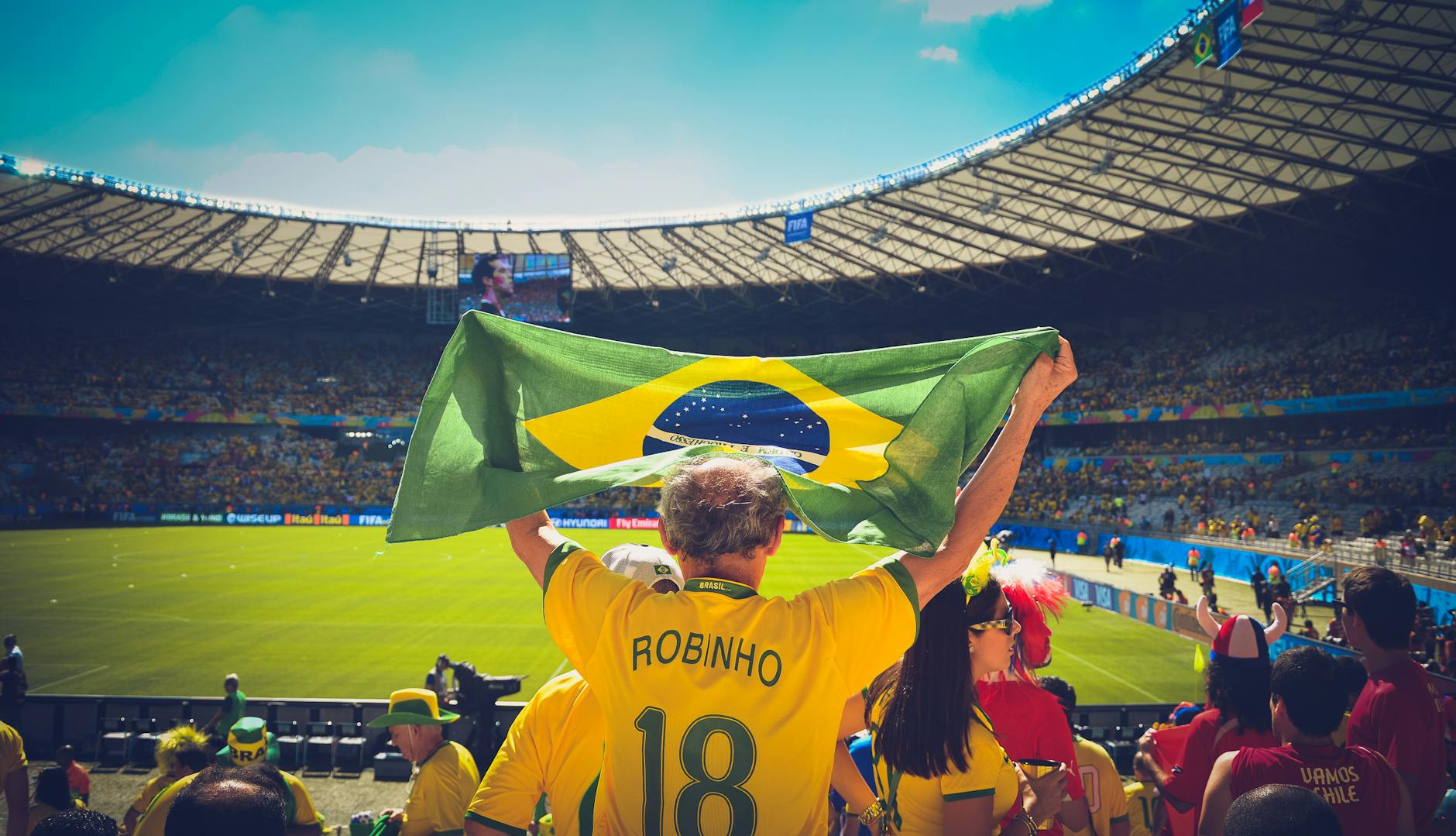
Photo by Caio on Pexels
Myth 3: Is Los Angeles just another 2026 venue — flat-out false?
Los Angeles is not just another 2026 venue because it combines SoFi Stadium matches, the U.S. Men’s National Team opening match on June 12, the LA Memorial Coliseum festival site, and region-wide official fan zones across Los Angeles County.
The football world cup always has symbolic cities, and in 2026 Los Angeles has a strong claim to that role. SoFi Stadium brings a modern match-day environment, while LA Memorial Coliseum adds Olympic history and large-scale public gathering space. The U.S. Men’s National Team opening match on June 12 gives the city an emotional anchor that neutral venues do not always have. The result is a rare blend: elite football, entertainment industry visibility, international tourism, and a local multicultural fan base that already follows Liga MX, Major League Soccer, the English Premier League, and international football.
A practical tip many generic travel guides miss: do not treat “Los Angeles” as a single travel zone. A fan staying near Hollywood, Santa Monica, Downtown Los Angeles, or Inglewood will face very different match-day routes, especially when official fan zones and festival traffic overlap. If you are planning multiple viewing events, build a two-location day rather than a three-location day. That extra margin can protect you from missing kick-off, arriving late to security checks, or making rushed betting decisions from a rideshare queue.
What actually works?
The best football world cup strategy is to combine official fixture data, host-city logistics, tactical research, and disciplined bankroll planning. For 2026, fans should track match dates, rest days, venue location, fan events, and odds movement in one planning system.
Start with official information, then layer interpretation on top. FIFA’s tournament structure and host-city announcements provide the skeleton; reputable schedule providers such as ESPN help with day-to-day fixture tracking; Football Insights adds the muscle by analyzing tactics, player form, and betting implications. The United States Department of State also remains useful for international visitors who need passport, visa, and travel safety guidance before arriving in the United States. If you are traveling to Los Angeles, combine stadium “know before you go” guidance with local transportation plans instead of assuming match-day movement will feel like a normal weekend.
A simple planning framework works better than scattered notes:
- Confirm the official match date, venue, and kick-off time.
- Check team rest days, travel history, and injury news.
- Compare tactical matchups, including pressing intensity and set-piece strength.
- Watch early odds movement, then wait for lineup confirmation where possible.
- Plan transport to SoFi Stadium, LA Memorial Coliseum, or official fan zones with a buffer of at least 90 minutes.
For tactical preparation, review our [Internal Link: national team tactics and player stats hub].
Ready to turn match-day chaos into a clearer plan?
What to ignore?
Ignore hype that treats every big crowd, celebrity appearance, or viral prediction as meaningful football evidence. The 2026 football world cup will generate massive noise, especially in Los Angeles, but useful decisions come from verified data, tactical context, and timing.
This matters because the World Cup is a perfect engine for overreaction. A dramatic fan festival scene can make one team feel unstoppable. A single training clip can become a false injury rumor. A famous pundit prediction can move public sentiment without improving your understanding of the match. The International Betting Integrity Association has emphasized monitoring suspicious betting patterns across global sport, and responsible fans should separate entertainment from analysis. In practical terms, ignore screenshots without sources, odds claims without timestamps, and “guaranteed win” language in any betting context.
The sharper approach is selective attention. Follow official FIFA World Cup updates, confirmed host-city logistics from Los Angeles organizers, and consistent analytical sources such as Football Insights. When a story breaks, ask three questions before acting: who confirmed it, does it affect the starting XI, and has the betting market already adjusted? If the answer is unclear, patience is often worth more than speed. For more disciplined tournament coverage, visit our [Internal Link: responsible World Cup betting checklist].
Frequently Asked Questions
Q: What is the football world cup?
A: The football world cup is FIFA’s global national-team tournament, held every four years to crown the world champion. The 2026 FIFA World Cup will feature 48 teams and 104 matches across the United States, Canada, and Mexico. It includes official match schedules, host-city events, fan festivals, and worldwide broadcast coverage.
Q: How do I follow the 2026 football world cup schedule?
A: Follow the 2026 football world cup schedule by checking official FIFA updates and reputable fixture providers before each match day. Then add local host-city details, such as SoFi Stadium access in Los Angeles or FIFA Fan Festival timing at LA Memorial Coliseum. Football Insights can help connect the schedule with team tactics, player stats, and betting context.
Q: What is the difference between a World Cup match and a Fan Festival?
A: A World Cup match is the official competitive fixture, while a FIFA Fan Festival is a public celebration built around live screenings, music, food, and fan activities. In Los Angeles, matches take place at SoFi Stadium, while the FIFA Fan Festival is centered at LA Memorial Coliseum. Both are valuable, but only match data directly affects tournament standings and betting outcomes.
Q: Why does football world cup betting sometimes feel unpredictable?
A: Football world cup betting feels unpredictable because public sentiment, short tournaments, injuries, travel, and knockout pressure can all move odds quickly. In 2026, the expanded 48-team format adds more fixtures and more unfamiliar matchups. The best response is to wait for confirmed lineups, compare multiple data points, and avoid emotional wagers.
Q: How much does it cost to experience the World Cup in Los Angeles?
A: The cost depends on match tickets, accommodation, transport, food, and whether you attend paid or free fan activities. Official fan zones may offer lower-cost ways to join the atmosphere, while stadium match days usually require larger budgets. Plan early because June 2026 demand around SoFi Stadium, Exposition Park, and major Los Angeles hotels is likely to be high.
Q: What should I do if my World Cup travel plan fails on match day?
A: If your World Cup travel plan fails, prioritize reaching the venue or fan zone safely with the fastest verified route. Keep backup transit options, allow at least 90 extra minutes, and avoid making rushed betting decisions while distracted. Save official venue guidance, ticket information, and local transport updates offline before leaving your hotel.
The 2026 football world cup will reward fans who see beyond the fixture list. Los Angeles shows why: eight matches, 39 days of celebrations, SoFi Stadium, LA Memorial Coliseum, official fan zones, and a global betting conversation will all collide in one summer. Follow the spectacle, but make decisions through structure.
Keep your World Cup coverage focused, timely, and tactical with Football Insights.
Thank you for reading this piece from our digital heirloom collection.
Football Insights · The Digital Heirloom · Volume I