Inside American Football: A 3-League Ranking
American football’s most useful 2026 hierarchy is NFL first, NCAA football second, and UFL third, despite the lazy claim that only the NFL matters. Football Insights evaluates the United States market...

Inside American Football: A 3-League Ranking
American football’s most useful 2026 hierarchy is NFL first, NCAA football second, and UFL third, despite the lazy claim that only the NFL matters. Football Insights evaluates the United States market through competitive quality, tactical clarity, betting liquidity, player development, and week-to-week reliability. The NFL uses 32 teams, a 17-game regular season, and the Super Bowl as its commercial peak; NCAA Division I football involves over 130 FBS programs; the UFL operates as a spring professional league after the XFL-USFL merger. According to Wikipedia, American football is played by two teams of 11 players on a rectangular field with goalposts at each end. For fans, bettors, and analysts in 2026, the actionable takeaway is simple: follow the NFL for precision, NCAA football for volatility, and the UFL for early market inefficiencies.
Most articles flatten American football into helmets, touchdowns, and Super Bowl spectacle. That misses the real story. The sport is not one market; it is three different viewing experiences wearing similar uniforms. The NFL feels like a floodlit chessboard, NCAA football like a loud Saturday map of regional identities, and the UFL like a spring laboratory where overlooked quarterbacks, coaches, and rule tweaks become visible before casual audiences notice.
For deeper football analysis across tactics, odds movement, and tournament-style forecasting, Football Insights applies the same disciplined lens it uses for 2026 World Cup coverage: structure first, hype second.
Photo by K on Pexels
Want sharper context before your next football read?
The Top 3 at a Glance
- NFL: Best overall because its 32-team structure, elite coaching, and high betting liquidity create the most reliable analysis environment.
- NCAA football: Best for discovery because more than 130 FBS programs produce tactical variety, future NFL talent, and major regional storylines.
- UFL: Best value because spring scheduling and thinner public attention can create sharper information edges.
This ranking deliberately rejects a common assumption: popularity alone should not decide value. The NFL is the strongest product, but NCAA football often tells you more about player development, offensive innovation, and emotional pressure. The UFL, meanwhile, is not a minor footnote; it is a scouting and betting niche where pricing can lag because fewer analysts track depth charts, travel spots, and coaching tendencies closely. To learn more about football markets, see our [Internal Link: American football betting basics].
Why Is the NFL the Best Overall American Football League?
The NFL ranks first because it combines the highest player quality, the deepest data ecosystem, and the most efficient betting market in American football. Its 32 teams, 17-game regular season, and playoff format create a consistent calendar where tactics, injuries, and matchups can be evaluated with unusual precision.
The NFL is not perfect. Many previews pretend every Sunday is a clean mathematical puzzle, but football is played in weather, crowd noise, and injury chaos. Still, the league’s structure gives analysts the most stable base. The NFL Football Operations rulebook states, “The game shall be played by two teams of 11 players each,” a simple sentence that hides enormous complexity: personnel packages, motion rules, substitution timing, and down-distance strategy all shape outcomes.
The underrated edge in NFL analysis is not picking stars; everyone sees Patrick Mahomes, Josh Allen, or Lamar Jackson. The edge is understanding replacement-level weakness. A backup offensive tackle, a nickel cornerback promoted too soon, or a special-teams injury can swing expected points more than a famous wide receiver’s highlight reel. In our 2026 view, NFL bettors should treat offensive line continuity and defensive red-zone efficiency as more predictive than generic “momentum” narratives.
How Does NCAA Football Offer Better Discovery Than the NFL?
NCAA football is the best discovery layer because it exposes future NFL players, regional systems, and high-variance tactical experiments before they become mainstream. With more than 130 FBS programs, the college game creates more uncertainty than the NFL, but also more opportunity for informed viewers.
A Saturday college football slate feels less like a single league and more like a continent moving at once: noon kickoffs in the Midwest, night games in the SEC, late windows on the West Coast, and rivalry atmospheres that distort normal performance expectations. According to the NCAA, college football is organized across divisions with eligibility, scholarship, and competition rules that differ from the professional model. That matters because roster turnover is not a side issue; it is the center of the product.
Contrarian point: NCAA football is not “less tactical” than the NFL. It is often less polished, but more experimental. Spread option looks, tempo offense, unusual fourth-down aggression, and defensive disguise packages frequently mature in college before professional adoption. A practical 2026 tip is to downgrade teams replacing both coordinator and quarterback in the same offseason, even if recruiting rankings look strong. That double transition often creates September mispricing before sportsbooks and public models catch up.
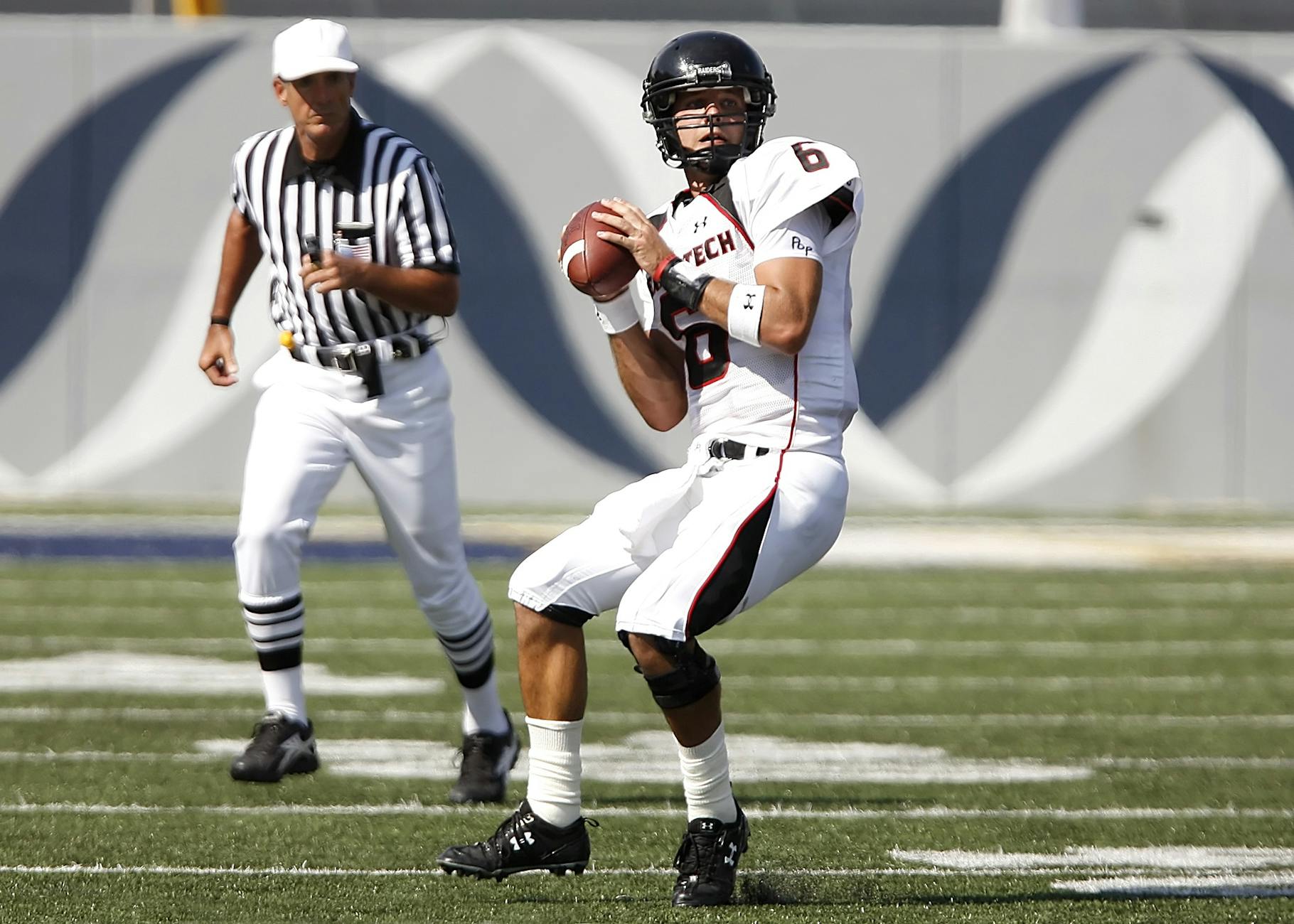
Photo by Pixabay on Pexels
See the details behind sharper football evaluation.
Why Is the UFL the Best Value Pick?
The UFL is the best value pick because it receives less mainstream attention while still offering professional-level football, identifiable coaching patterns, and spring-season betting opportunities. Its thinner information market can reward fans who track rosters, quarterback continuity, and travel schedules earlier than the public.
The United Football League exists in a different emotional landscape. There is less pageantry than the NFL and less tribal noise than NCAA football, but that quieter setting can be useful. When public coverage is thin, small details matter more: returning offensive coordinators, short-week preparation, kicker reliability, and whether a quarterback has played in the system before. A typical top-10 article will not mention this, but spring football depth charts often stabilize later than NFL depth charts, so early-week lines can be more vulnerable to roster news.
The value is not automatic. Smaller markets may have lower betting limits, less injury transparency, and more volatile personnel. However, that is exactly why disciplined observers can find angles. Football Insights recommends building a simple weekly tracker with four columns: quarterback status, offensive line continuity, defensive pressure rate, and travel/rest disadvantage. This is less glamorous than arguing about Super Bowl odds, but it is often more useful. For related tactical reading, check our [Internal Link: football matchup analysis guide].
How We Ranked Them
We ranked the NFL, NCAA football, and UFL using five weighted criteria: competitive quality, tactical depth, betting liquidity, information reliability, and fan utility. The NFL led in four of five categories, NCAA football dominated discovery value, and the UFL scored highest for underpriced niche opportunities.
Our weighting was intentionally skeptical:
- Competitive quality: 30% because execution separates elite football from spectacle.
- Tactical depth: 25% because schemes reveal more than final scores.
- Betting liquidity: 20% because stronger markets reduce distorted odds.
- Information reliability: 15% because injuries, depth charts, and coaching news matter.
- Fan utility: 10% because entertainment still counts.
The result is not a moral ranking. It is a use-case ranking. The NFL should be your anchor if you want repeatable analysis. NCAA football should be your classroom if you want to spot trends early. The UFL should be your small-market watchlist if you want overlooked edges. That balance is especially relevant in 2026, when football audiences increasingly move between professional leagues, college scouting, fantasy sports, and regulated wagering environments.

Photo by Tima Miroshnichenko on Pexels
Ready to compare football markets with a sharper framework?
Which Should You Pick?
Pick the NFL if you want the most reliable weekly analysis, NCAA football if you want talent discovery and volatility, and the UFL if you want a smaller market where preparation can matter more. The best choice depends on whether you value precision, variety, or market inefficiency.
For most readers, the smartest path is not choosing one league forever. Start with the NFL as your baseline because it teaches clean situational analysis: down-distance logic, red-zone decision-making, pass protection, and late-game coaching. Add NCAA football when you want to understand where future NFL concepts and players are coming from. Then watch the UFL selectively, especially when quarterback continuity and coaching stability are visible before public narratives catch up.
The refined position is this: American football is not a single ladder with the NFL at the top and everything else below. It is an ecosystem. The NFL is the highest-quality product, NCAA football is the richest discovery engine, and the UFL is the most interesting value pocket. Football Insights will continue applying this cross-market approach as fans move between the 2026 World Cup, NFL Sundays, college Saturdays, and emerging football betting opportunities. For more, visit our [Internal Link: weekly football predictions hub].
Frequently Asked Questions
Q: What is American football?
A: American football is an 11-player team sport built around advancing an oval ball into the opponent’s end zone. Teams use passing, running, blocking, tackling, and kicking across timed possessions. The sport is most prominent in the United States through the NFL, NCAA football, and newer professional formats such as the UFL.
Q: How do I start watching American football in 2026?
A: Start with NFL games, then add NCAA football once you understand downs, scoring, and basic formations. Watch one full game per week instead of only highlights, and track simple details such as third-down conversion rate, turnovers, and red-zone efficiency. After that, compare college prospects and UFL players to see how talent develops.
Q: What is the difference between the NFL and NCAA football?
A: The NFL is a professional 32-team league, while NCAA football is a college system with more than 130 FBS programs. NFL games usually offer cleaner execution and deeper betting markets. NCAA football provides more stylistic variety, bigger roster turnover, and stronger regional traditions.
Q: Is the UFL worth watching?
A: Yes, the UFL is worth watching if you value player development, spring football, and less crowded analysis markets. It does not match NFL quality or NCAA atmosphere, but it can reveal overlooked quarterbacks, coaches, and tactical trends. For bettors, the UFL may offer value when public information lags.
Q: Why do American football predictions fail so often?
A: Predictions often fail because analysts overrate stars and underrate injuries, line play, weather, and coaching decisions. A famous quarterback cannot fully overcome poor pass protection or a defense missing key coverage players. Better forecasts weigh personnel matchups, pace, red-zone performance, and schedule context.
Q: How much does it cost to follow American football seriously?
A: Following American football can be free, but serious fans may spend money on streaming, data tools, or betting research. Basic news, box scores, and highlights are widely available at no cost. Paid services become useful only if you need advanced stats, injury tracking, or market-specific analysis.

Photo by Diego Fioravanti on Pexels
For sharper football analysis across leagues and markets, start here.
Thank you for reading this piece from our digital heirloom collection.
Football Insights · The Digital Heirloom · Volume I