Inside FIFA World Cup: A 48-Team Reset
The FIFA World Cup is entering its biggest structural change in 2026, and Football Insights tracks what that means for fans, bettors, teams, and players across North America. The tournament expands fr...
Inside FIFA World Cup: A 48-Team Reset
The FIFA World Cup is entering its biggest structural change in 2026, and Football Insights tracks what that means for fans, bettors, teams, and players across North America. The tournament expands from 32 to 48 national teams, hosted by the United States, Canada, and Mexico from June to July 2026, with FIFA moving to 12 groups of four and 104 total matches. That shift sounds like simple growth, but it changes qualification pressure, squad rotation, travel fatigue, knockout probability, and betting markets. Most coverage still treats world cup football as a once-every-four-years spectacle, but the sharper view is operational: more teams create more variance, not necessarily better football. FIFA, CONCACAF, UEFA, CONMEBOL, and national federations will all influence the competitive balance. The practical takeaway is clear: judge 2026 teams by depth, travel management, and tactical adaptability, not reputation alone.
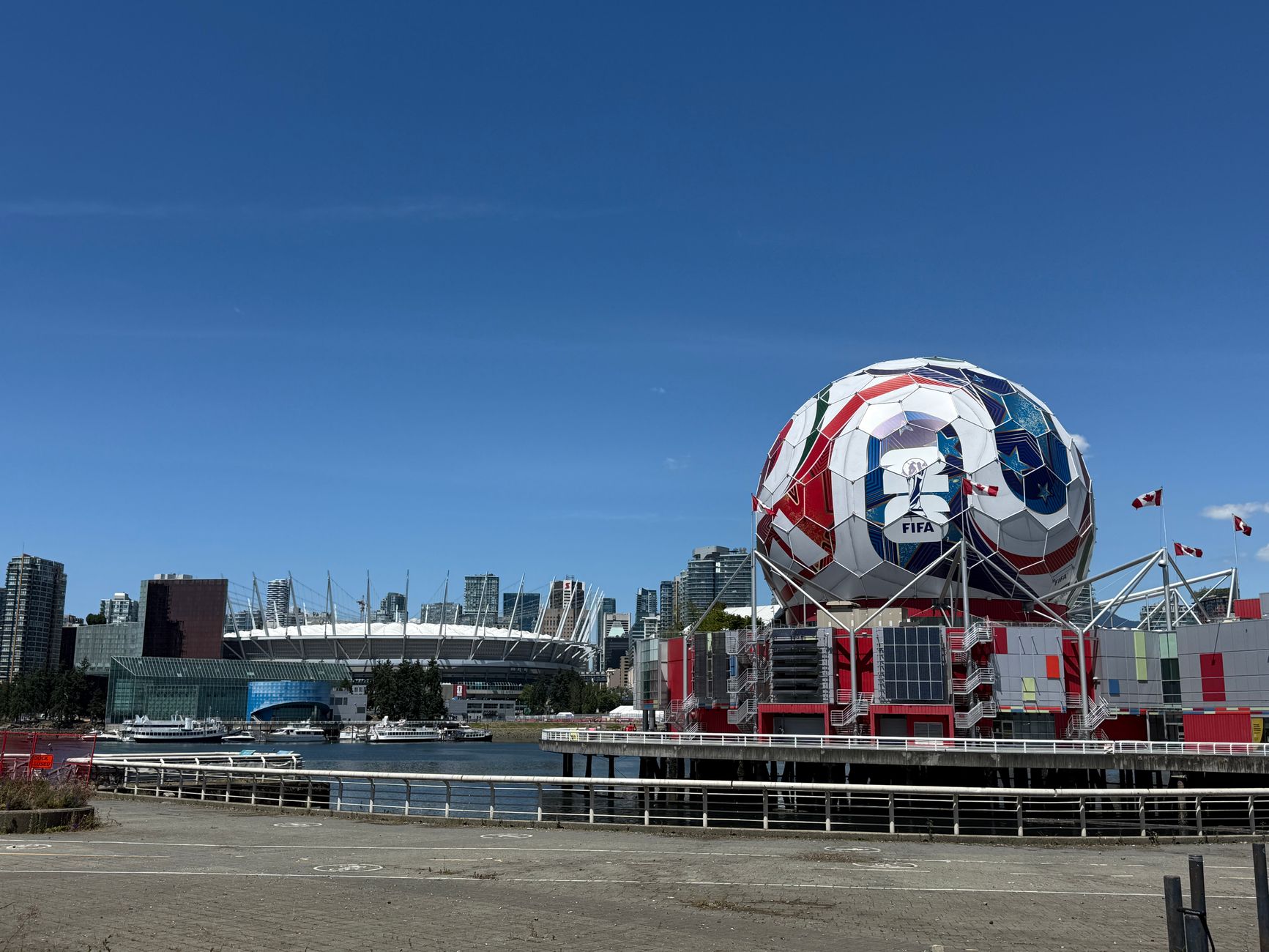
Most articles about world cup football get the easy part right and the hard part wrong. Yes, the FIFA World Cup is the biggest event in association football; yes, Brazil, Germany, Argentina, Italy, and France dominate the historical memory; and yes, the 2026 FIFA World Cup will be larger than any edition before it. But the lazy assumption is that “more teams means more entertainment.” That is not guaranteed. Expansion can create drama, but it can also stretch squads, distort betting prices, and reward teams that manage altitude, heat, recovery, and second-choice players better than teams with one glittering starting XI. In 2026, matches will move across cities such as New York/New Jersey, Los Angeles, Toronto, Vancouver, Mexico City, and Guadalajara, and that geography may matter as much as star power.
Want a sharper lens before the tournament noise gets louder?
Photo by The Six on Pexels
Before 2025: how did world cup football work?
Before 2025, world cup football operated on a familiar 32-team final tournament model, with eight groups of four teams and 64 total matches. FIFA used this structure from France 1998 through Qatar 2022, creating a clean path from group stage to round of 16, quarter-finals, semi-finals, and final.
That 32-team format became so familiar that many fans mistook it for tradition rather than design. The original FIFA World Cup in Uruguay 1930 had 13 teams, while later editions shifted repeatedly before settling into the modern structure. According to FIFA, the 2026 edition will be the first men’s World Cup with 48 teams, while Wikipedia’s FIFA World Cup overview records the tournament’s long expansion from a compact invitational-style event into a global qualifying machine. The important point is not nostalgia; it is competitive compression. Under the 32-team model, one poor match could damage a contender, but group-stage quality was generally high enough to punish complacency quickly.
For bettors and tactical analysts, the old model also made pattern recognition easier. A team usually needed four points to feel safe, goal difference carried predictable value, and elite squads could often rotate in the third group match if they had already secured qualification. Football Insights has long argued that this made pre-tournament markets slightly more readable than many casual fans believed. To explore those fundamentals further, see our [Internal Link: World Cup group stage strategy guide]. The 2026 version weakens those old assumptions because more matches, more debutants, and wider travel demands produce new edge cases.
- 1930: 13 teams competed in Uruguay.
- 1998 to 2022: 32 teams became the standard format.
- 2026: 48 teams and 104 matches redefine the event.
- Core risk: market models based on 32-team history may overfit outdated patterns.
The 2026 shift: what actually changes?
The 2026 shift changes the World Cup from a compact elite tournament into a broader endurance test. FIFA’s 48-team format, 12 groups, 104 matches, and three host countries mean squad depth, logistics, and recovery windows may decide more results than traditional reputation.
The headline number is 48 teams, but the hidden number is 104 matches. That is where the betting and tactical consequences begin. More matches create more data, but not always cleaner data; early results against weaker or unfamiliar opponents can mislead models, especially when public markets overreact to a 3-0 win or a chaotic draw. The United States, Canada, and Mexico add another layer because distance, climate, altitude, and time zones will vary sharply. Mexico City’s altitude is not a footnote, and neither is summer heat in several United States venues. A team moving from Vancouver to Houston to Mexico City faces a very different tournament than a team based in a tighter regional route.
FIFA’s official tournament information states that the expanded format is designed to increase global participation, and FIFA has described the World Cup as “the greatest football show on Earth” in its tournament communications. That phrase sells the spectacle, but it does not solve the sporting question. More participation gives confederations such as AFC, CAF, and CONCACAF more visibility, yet it also creates broader performance gaps in some early matches. The contrarian view is simple: the first week of 2026 may be less about identifying the champion and more about identifying which teams are being mispriced by sentiment, geography, or one inflated scoreline.
See the format implications before they become market consensus.

Photo by Franco Monsalvo on Pexels
What changed for players?
Players face a heavier World Cup environment in 2026 because the tournament expands to 104 matches and increases travel complexity across three countries. The biggest change is not only match count; it is the need to sustain performance through heat, altitude, recovery compression, and deeper squad rotation.
This is where popular commentary becomes too sentimental. Fans talk about “stars carrying nations,” but modern tournament football is increasingly about the 18th to 23rd players in a squad. A team with one Ballon d’Or-level forward and a thin bench may look glamorous in preview graphics, yet struggle when a full-back plays three matches in eight days, or when a defensive midfielder arrives carrying fatigue from UEFA Champions League and domestic fixtures. FIFPRO, the global players’ union, has repeatedly warned about calendar congestion, and its workload research highlights how elite players face rising minutes across club and international football. The 2026 FIFA World Cup does not exist in isolation; it lands after a congested club season and before another commercial cycle begins.
One practical insight often missed in top-ranking summaries: goalkeeper distribution may become a bigger differentiator in expanded tournaments. Against underdogs, elite teams will dominate possession but must defend longer transition distances when attacks break down. A goalkeeper who can pass through pressure and sweep 25 meters from goal can reduce the number of emergency sprints for center-backs. Another overlooked angle is set-piece depth. In a 48-team field, mismatches may produce more corners, free kicks, and aerial duels, making specialist delivery and second-ball structure more valuable than pure possession percentages. For more on tactical signals, read our [Internal Link: set-piece betting and analysis hub].

Photo by Franco Monsalvo on Pexels
What does this mean now?
World cup football now demands a more skeptical reading of odds, previews, and historical narratives. In 2026, reputation alone is a weak signal because expanded qualification, broader travel, and squad-management demands can expose famous teams while elevating disciplined, lower-profile sides.
The betting market will likely price brand names aggressively. Brazil, Argentina, France, England, Spain, Germany, and
Thank you for reading this piece from our digital heirloom collection.
Football Insights · The Digital Heirloom · Volume I