Inside FIFA World Cup: A 96-Year Reckoning
The FIFA World Cup is football’s premier national-team tournament, organized by the Fédération Internationale de Football Association and staged globally every four years since Uruguay For 2026, the e...
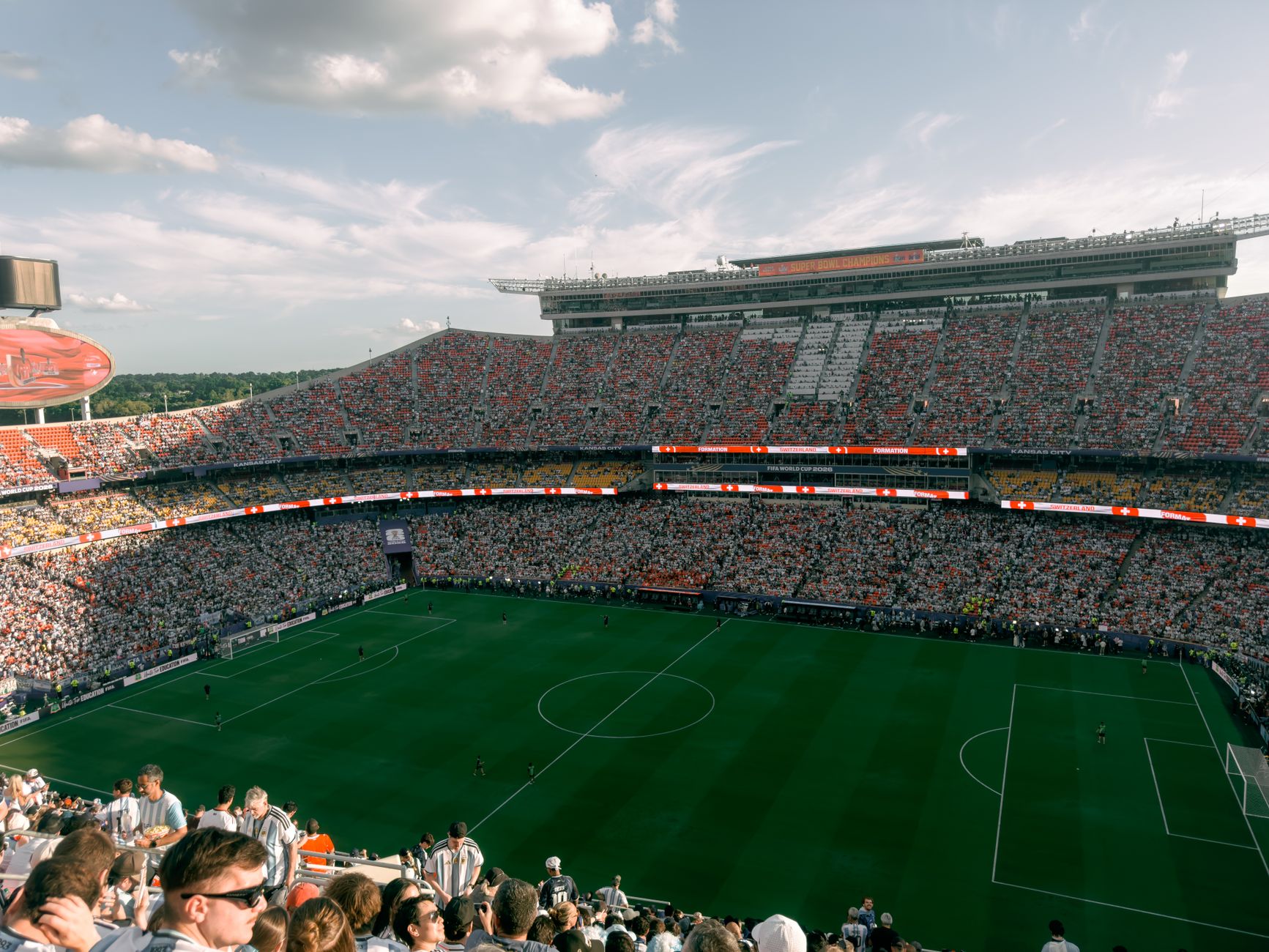
Inside FIFA World Cup: A 96-Year Reckoning
The FIFA World Cup is football’s premier national-team tournament, organized by the Fédération Internationale de Football Association and staged globally every four years since Uruguay 1930. For 2026, the event expands to 48 teams across the United States, Canada, and Mexico, with 104 matches replacing the 64-game format used from France 1998 through Qatar 2022. Football Insights covers the tournament for adult fans following match predictions, team tactics, player statistics, and licensed betting-market movement in regulated jurisdictions. The competition’s record is often simplified into trophy counts, but the sharper story is structural: qualification pressure, travel load, squad depth, and bracket design often matter as much as star power. Treat World Cup coverage as a data problem before treating it as a mythology contest.
Most FIFA World Cup articles get the tournament backward: they start with the trophy, then retrofit destiny onto the winner. That is tidy, dramatic, and usually misleading. The World Cup is not one competition but several layered contests: a three-year qualification grind, a logistical endurance test, a tactical information war, and finally a knockout bracket where one deflection can rewrite history. In 2026, that complexity grows because 48 teams, three host nations, and 104 matches will stretch scouting departments, sportsbooks, broadcasters, and fans alike.
Photo by Allen Boguslavsky on Pexels
For sharper tournament context before the first whistle, explore Football Insights’ daily coverage.
Is the FIFA World Cup really football’s purest test?
No, the FIFA World Cup is not football’s purest test; it is football’s most prestigious compressed test. Since 1930, its four-year rhythm and 32-team era from 1998 to 2022 created drama, but the short tournament window rewards timing, fitness, draw luck, and tactical adaptability as much as overall quality.
The popular claim that the World Cup simply identifies the best team in the world ignores how national-team football actually works. Clubs such as Real Madrid, Manchester City, and Bayern Munich train players daily for months; national teams often assemble for brief windows under Fédération Internationale de Football Association rules. That means a coach like Didier Deschamps, Lionel Scaloni, or Gareth Southgate must build usable patterns quickly, often around players arriving from different leagues, medical conditions, and club tactical systems. According to FIFA, the 2026 tournament will be the first men’s World Cup with 48 teams, a change that increases representation but also changes competitive rhythm.
The contrarian view is simple: prestige is not the same as purity. Brazil’s five titles, Germany’s four, Italy’s four, Argentina’s three, and France’s two remain historically meaningful, yet even those records hide context such as confederation strength, qualifying routes, squad travel, and era-specific tactical norms. The FIFA World Cup overview on Wikipedia usefully tracks champions and hosts, but standings alone cannot explain why a high-pressing side may fade after cross-continent travel or why a defensive block can overperform expected goals in knockout football. For deeper background, see our [Internal Link: FIFA World Cup history and champions guide].
How does the FIFA World Cup handle a 48-team 2026 format?
The 2026 FIFA World Cup handles expansion by moving to 48 teams, 12 groups of four, and 104 total matches across the United States, Canada, and Mexico. The top two teams in each group plus the eight best third-place teams advance, creating a 32-team knockout stage.
That format solves one problem while creating another. It avoids the widely criticized three-team group proposal, where final-match incentives could have encouraged passive results, but it also makes third-place qualification a major analytical wrinkle. In practical terms, four points may become a powerful target for many mid-tier teams, while goal difference could affect tactical choices as early as Matchday 2. A side leading 1-0 in the 70th minute may value a second goal differently if it is competing across 12 groups for one of eight third-place slots.
This is where many previews will be too casual. In the 32-team format, a group contained six matches and a relatively clean top-two route; in 2026, the tournament becomes more like UEFA Euro 2016 or UEFA Euro 2020 in qualification logic, but with longer travel and greater geographic variation. A Mexico City fixture at altitude, a Vancouver match in cooler conditions, and a Miami match in humidity are not interchangeable. For licensed betting markets, that means totals, player props, and late-game substitution angles may deserve more attention than outright winner odds. To compare group-stage pathways, use our [Internal Link: 2026 World Cup group-stage betting angles].

Photo by Monstera Production on Pexels
See the details behind format changes, match predictions, and tactical trends at Football Insights.
Key operational shifts in 2026
The first overlooked shift is recovery math. A 104-match schedule creates more broadcast inventory, but also more travel scenarios where two teams in the same competitive tier may not face equal physical demands. Analysts should track rest days, kickoff times, flight distance, and venue climate alongside traditional statistics such as possession, shots, and expected goals. A second overlooked shift is bench value: five substitutions already changed tournament football, but expanded squads and deeper knockout pathways make the 16th to 20th players more important than many casual previews admit.
A practical 2026 watchlist should include:
- Rest differential between opponents before knockout matches.
- Altitude, humidity, and temperature by host city.
- Yellow-card accumulation risk for defensive midfielders.
- Third-place qualification incentives after two group matches.
- Set-piece volume against compact underdogs.
- Goalkeeper distribution under high pressing.
- Licensed market movement after confirmed lineups.
What about underdogs and third-place qualifiers?
Underdogs matter more in 2026 because eight third-place teams can reach the knockout phase. A team that loses narrowly to a favorite, beats the weakest group opponent, and protects goal difference may advance with four points, changing how coaches manage risk across all three matches.
This is the edge case that glossy tournament previews often miss. In an expanded format, “survive and advance” becomes a rational strategy for nations outside the top Elo or FIFA ranking bands. Morocco’s run to the 2022 semifinals showed how compact defending, transition speed, and elite goalkeeping can disrupt higher-possession opponents. Croatia’s 2018 and 2022 campaigns showed another route: midfield control, penalty resilience, and game-state patience. Neither example proves that every underdog is dangerous, but both show that knockout probability is not evenly distributed by reputation.
From a betting and analytics perspective, third-place qualification can distort incentives late in the group stage. If a team knows that a one-goal defeat may still preserve advancement chances, it may avoid chasing recklessly. Conversely, a team with poor goal difference may open the match early, creating higher totals risk. Football Insights tracks these conditions through match predictions, tactical previews, and player-stat monitoring for the 2026 World Cup. For more on surprise-team profiles, visit our [Internal Link: World Cup underdog scouting framework].
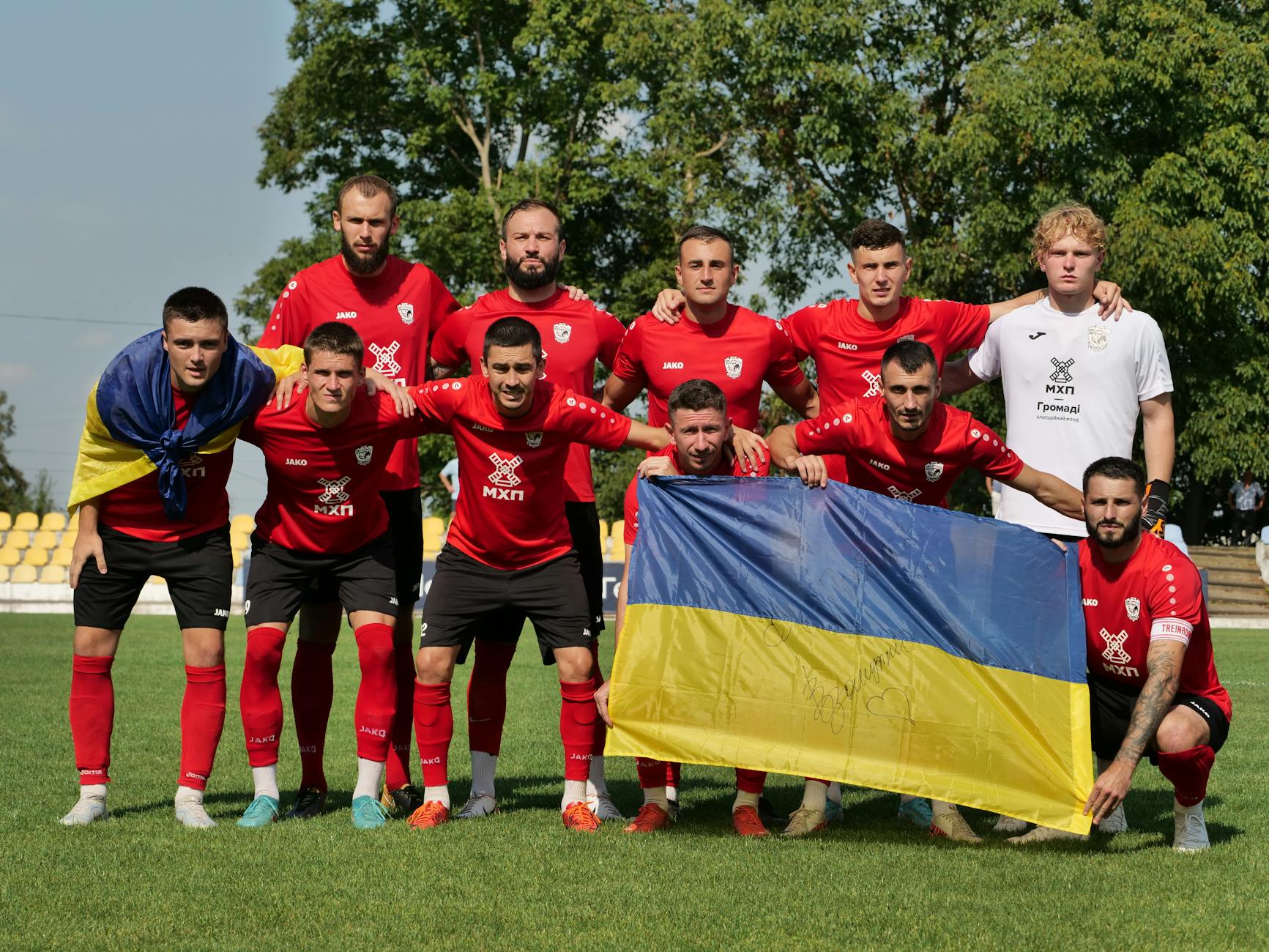
Photo by Володимир Король on Pexels
Where does the FIFA World Cup fail?
The FIFA World Cup fails when spectacle outruns competitive clarity, especially in scheduling, travel equity, and overconfident narratives. The 2026 edition adds representation and revenue potential, but 48 teams and 104 matches may produce uneven rest profiles, diluted group quality, and harder comparisons between contenders.
That criticism does not make the tournament weaker by default; it makes lazy analysis weaker. A 48-team World Cup can produce more national stories, more continental variety, and more meaningful games for countries that rarely reach the stage. Yet the same expansion may create mismatches in early rounds, wider variance in group strength, and more complicated competitive incentives. The United States Department of State and host-country agencies will also shape visa, travel, and security operations, while FIFA manages match allocation and commercial delivery across 16 host cities.
The failure point for readers is often narrative addiction. After one strong performance, a team becomes “destined”; after one poor half, a favorite is supposedly exposed. Professional analysis should be slower. It should ask whether the opponent’s press was sustainable, whether the fullbacks were pinned by tactical design, whether the center backs were forced into weak-foot passing lanes, and whether the goalkeeper prevented a normal regression. In betting markets, it should also distinguish between fair price movement and public overreaction after marquee matches involving Argentina, Brazil, England, France, Spain, or Germany.
For a more skeptical read on favorites, projections, and market movement, continue with Football Insights.
What most rankings miss
Rankings help, but they are blunt instruments. FIFA rankings, Elo-style models, sportsbook odds, and media power lists each measure different things, and none fully captures tournament-specific fragility. A team may rank highly because it dominates qualification in its confederation, yet struggle against unfamiliar pressing schemes from another region. Another team may enter with modest rankings but possess three tournament-grade traits: a reliable goalkeeper, set-piece excellence, and a midfield that can slow games without surrendering territory.
A sharper evaluation should separate:
- Baseline talent: squad value, club level, and injury status.
- Tactical portability: whether the system works against different styles.
- Tournament durability: depth, substitutions, and recovery capacity.
- Match-state flexibility: ability to protect leads or chase deficits.
- Market discipline: whether odds reflect probability or public sentiment.
Should you try FIFA World Cup analysis today?
Yes, FIFA World Cup analysis is worth starting today if you focus on structure rather than hype. For 2026, the most useful work begins before squads are announced: track qualification form, player workload, tactical identity, host-city conditions, and early licensed betting-market prices.
The best time to study the FIFA World Cup is not the morning of the opening match; by then, the obvious edges are already crowded. Start with confederation pathways such as UEFA, CONMEBOL, CONCACAF, CAF, AFC, and OFC, because qualification style affects tournament readiness. CONMEBOL teams often face intense away environments and physical matches, while UEFA teams may encounter denser tactical variation. CONCACAF sides such as the United States, Canada, and Mexico gain host-region familiarity in 2026, but that advantage should be measured against pressure, travel, and opponent quality rather than assumed automatically.
A refined position is better than a loud one: the FIFA World Cup is neither a perfect meritocracy nor a random carnival. It is a short, high-pressure tournament where elite quality, logistics, coaching, and variance collide. Football Insights exists for fans who want that collision explained through match predictions, team tactics, player stats, and tournament coverage rather than recycled mythology. If you want useful preparation, build a watchlist now, update it after squad announcements, and keep questioning the easiest story in the room.

Photo by Franco Monsalvo on Pexels
Get started today with data-led coverage built for the 2026 World Cup cycle.
Frequently Asked Questions
Q: What is the FIFA World Cup?
A: The FIFA World Cup is the leading international men’s football tournament organized by the Fédération Internationale de Football Association. It began in Uruguay in 1930 and is normally held every four years. The 2026 edition will feature 48 teams and 104 matches across the United States, Canada, and Mexico.
Q: How do teams qualify for the FIFA World Cup?
A: Teams qualify through regional competitions run by confederations such as UEFA, CONMEBOL, CONCACAF, CAF, AFC, and OFC. Each confederation receives a set number of places, and qualification formats vary by region. For 2026, expanded access means more nations can qualify, but the route remains highly competitive.
Q: What is different about the 2026 FIFA World Cup?
A: The 2026 FIFA World Cup expands from 32 to 48 teams and from 64 to 104 matches. It will be hosted by three countries: the United States, Canada, and Mexico. The format includes 12 groups of four, followed by a 32-team knockout phase.
Q: Is FIFA World Cup betting different from club football betting?
A: Yes, World Cup betting differs because national teams have less preparation time and shorter tournament samples. Factors such as travel, rest days, squad depth, and knockout incentives can matter more than league form. Licensed markets may react sharply to lineup news, injuries, and public support for major nations.
Q: What should I track before making World Cup predictions?
A: Track squad fitness, qualification form, tactical identity, venue conditions, and likely knockout paths. For 2026, travel between North American host cities and climate differences could be especially important. Football Insights also monitors player stats, matchups, and market movement throughout the tournament cycle.
Q: Why do favorites often fail at the FIFA World Cup?
A: Favorites fail because tournament football compresses variance into a small number of matches. A red card, penalty shootout, injury, or tactical mismatch can undo years of reputation. Strong teams still have advantages, but knockout football rarely rewards reputation alone.
Thank you for reading this piece from our digital heirloom collection.
Football Insights · The Digital Heirloom · Volume I