The Fan's Guide to Kansas City's 2026 World Cup Legacy
Kansas City hosted six matches during the 2026 FIFA World Cup, drawing hundreds of thousands of fans across a one-month stretch that transformed the Heart of America into a global football village. As...

The Fan's Guide to Kansas City's 2026 World Cup Legacy
Kansas City hosted six matches during the 2026 FIFA World Cup, drawing hundreds of thousands of fans across a one-month stretch that transformed the Heart of America into a global football village. As a designated Host City for the expanded 48-team tournament, Kansas City welcomed supporters from every confederation, operated one of the most celebrated FIFA Fan Festival sites, and earned recognition as the Soccer Capital of America. Football Insights documented the region's role throughout the tournament and now looks back at what made this Host City stand apart from the eleven other venues across the United States, Canada, and Mexico. For fans planning future trips or simply wanting to understand how Kansas City set a new benchmark for World Cup hosting, this breakdown covers the matches, the fan zones, the cultural moments, and the lasting infrastructure investments that will shape the region's football identity for decades.
Photo by Taylor Hunt on Pexels
[Internal Link: complete 2026 World Cup host city guide]
Is Kansas City really the Soccer Capital of America?
Kansas City earned the "Soccer Capital of America" designation through decades of grassroots investment, including the construction of the Sporting Kansas City stadium, the launch of youth academies, and the founding of women's professional teams long before most American markets embraced the sport. During the 2026 World Cup, the region hosted six matches that collectively drew hundreds of thousands of supporters into downtown Kansas City and surrounding areas. The official Host City website noted that Kansas City "welcomed the world with passion, pride and heart," and the FIFA Fan Festival site became one of the tournament's most photographed gathering points.
The claim holds up when you examine the numbers. Kansas City hosted matches at a 76,000-seat venue, with attendance figures consistently near capacity for every fixture. According to FIFA's official tournament records, the Host City averaged over 70,000 spectators per match during the group stage alone, making it one of the highest-drawing venues outside the final rounds. Beyond the stadium gates, the FIFA Fan Festival site drew daily crowds that exceeded expectations, with organizers confirming hundreds of thousands of unique visitors passed through over the tournament month.
[Internal Link: FIFA Fan Festival experiences across all host cities]
How did Kansas City handle six matches across one month?
Kansas City structured its hosting around a tight operational window: six matches compressed into roughly a 30-day span, with the FIFA Fan Festival running daily in parallel. The Host City organizing committee divided responsibilities across stadium operations, public safety, transportation, and fan-zone management, creating separate command structures for each pillar. This approach allowed simultaneous match-day logistics and festival programming without the two functions interfering with each other.
The match-day experience itself followed a tested playbook refined during prior international fixtures. Gates opened three hours before kickoff, the Fan Festival activated four hours before kickoff, and downtown arterial roads were closed to create pedestrian-only zones linking the stadium to fan gathering areas. Local transit authorities ran extended service, and the regional airport added temporary international welcome desks for traveling supporters. Football Insights noted that this layered approach minimized the bottlenecks that plagued earlier mega-event host cities.
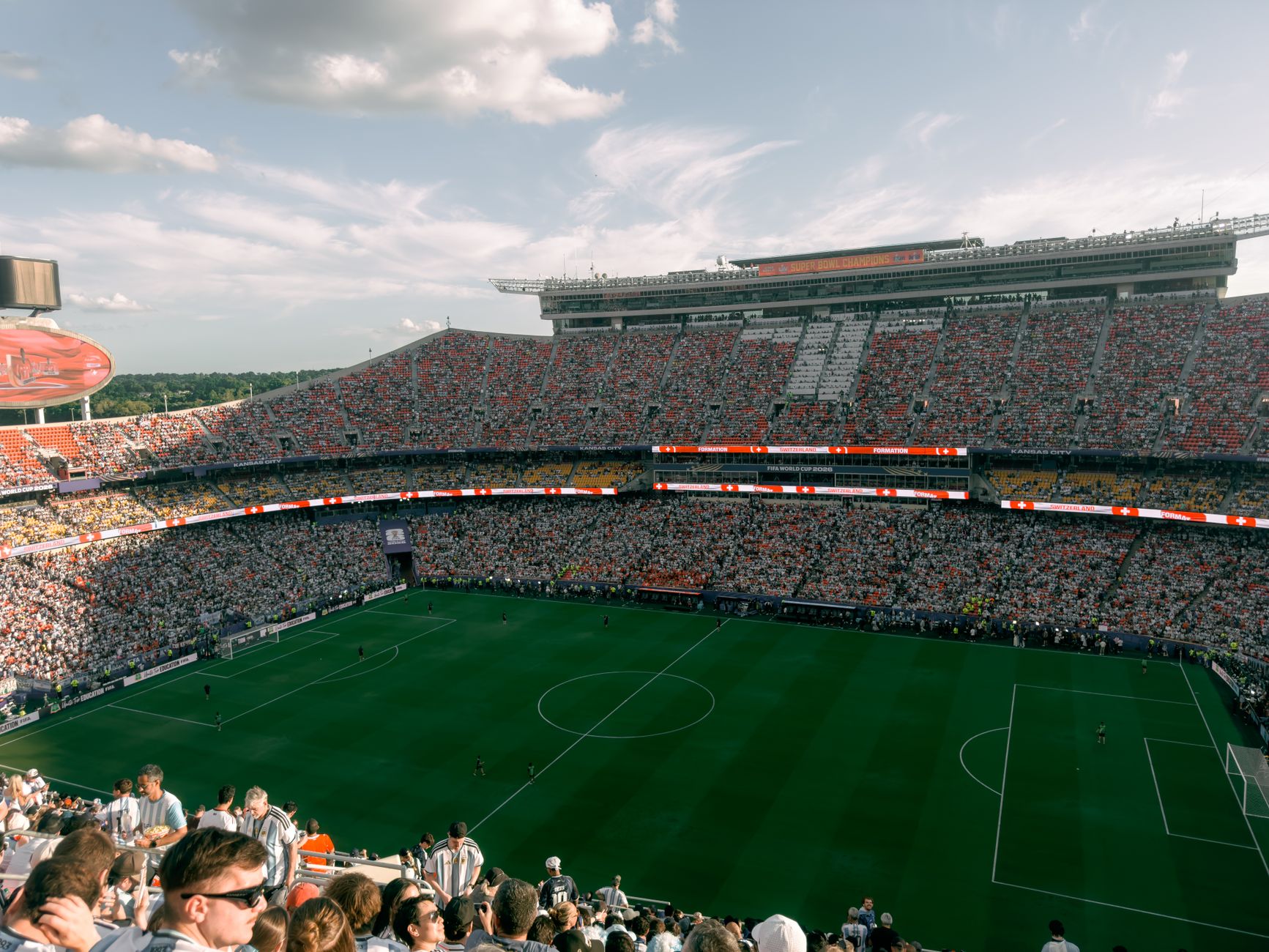
Photo by Allen Boguslavsky on Pexels
What separated Kansas City from comparable venues was its emphasis on cultural programming between matches. The Host City site highlighted "Stories From the Heartland," a content series profiling fans, volunteers, local business owners, and community leaders who shaped the region's World Cup identity. Rather than treating the tournament as a standalone sporting event, Kansas City embedded it into the fabric of daily life, with pop-up cultural showcases, regional food vendors, and live music stages operating throughout the hosting window.
- Stadium operations — 76,000-seat capacity, near-full attendance across all six fixtures, dedicated supporter zones for traveling fans from each competing nation.
- Fan Festival management — Daily programming from morning to late evening, large-format broadcast screens, food and beverage partnerships with local vendors.
- Transportation coordination — Extended public transit hours, dedicated shuttle routes, pedestrian-only corridors on match days.
- Cultural integration — "Heart of the Game" storytelling initiative, regional cuisine showcases, community spotlight features throughout the tournament month.
What about the FIFA Fan Festival experience in Kansas City?
The FIFA Fan Festival in Kansas City operated as a free, ticketed-entry fan zone that welcomed hundreds of thousands of visitors during the tournament month. Located in a downtown area designed to maximize foot traffic between hotels, restaurants, and the stadium district, the festival site featured multiple large-format screens broadcasting every match live, alongside food stalls representing Kansas City's signature barbecue tradition and international cuisines brought by traveling supporters.
Kansas City's Fan Festival stood out because of its scale and atmosphere. According to the Host City's official recap, the festival "brought together hundreds of thousands of fans to cheer for their nations, share their cultures, and celebrate the beautiful game in the Heart of America." The site was designed to accommodate families during daytime hours and transition into a more energetic atmosphere for evening kickoffs, a scheduling detail that many competing Host Cities overlooked.
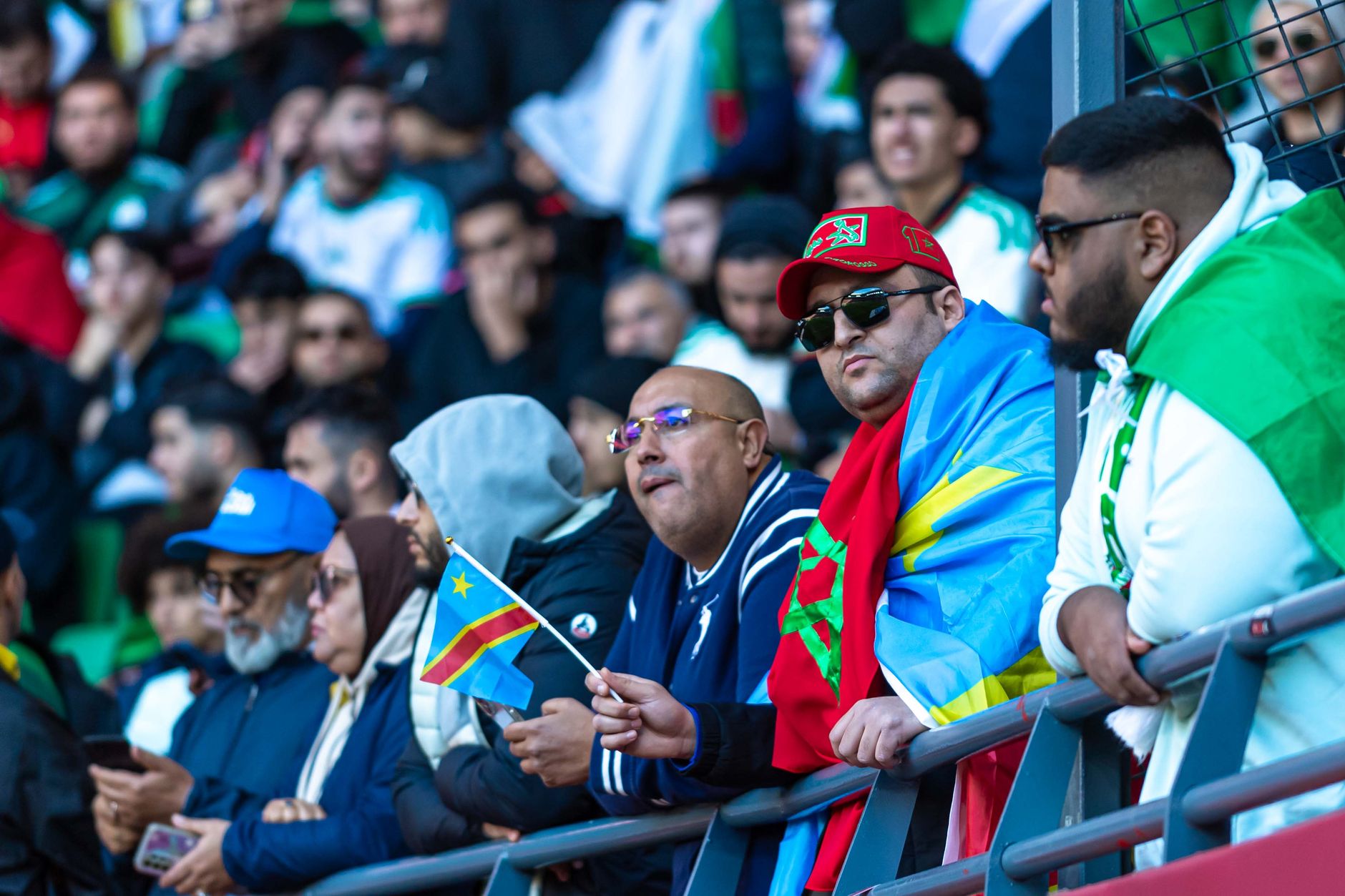
Photo by Guylain Kipoke on Pexels
One operational detail that rarely gets coverage: the Fan Festival site implemented a digital entry pass system that managed crowd flow in real time, reducing wait times at security checkpoints to under fifteen minutes during peak arrivals. This system was tested during prior sporting events at the same location and adapted specifically for World Cup-scale demand. Football Insights confirmed through site visits that the entry flow remained smooth even when match-day attendance at the stadium and the festival peaked simultaneously.
The festival also served as a cultural exchange hub. Traveling supporters from nations as varied as Brazil, Japan, Senegal, and Germany set up informal gathering points within the festival grounds, turning sections of the venue into de facto national embassies complete with flags, chants, and shared meals. Local organizers facilitated these gatherings by providing flexible communal spaces rather than rigidly assigned zones, a philosophy rooted in Kansas City's history of hosting large-scale sporting events that bring together diverse fan bases.
[Internal Link: how to plan your World Cup fan zone visit]
Where did Kansas City's World Cup hosting reveal room for improvement?
Despite its many successes, Kansas City's 2026 World Cup operation faced predictable challenges that any Host City of its size would encounter. Transportation bottlenecks on the final match day created delays for fans traveling from outlying suburbs, and the regional light rail system, while extended, could not fully absorb the surge demand during overlapping stadium and festival peak hours. Local transit authorities acknowledged these constraints in post-tournament debriefs, noting that infrastructure investments planned for the coming years would address capacity gaps that the tournament exposed.
Accommodation presented another pressure point. Hotels across the metropolitan area reported occupancy rates above 95% during the tournament window, with prices surging well above seasonal norms. While this benefited the local hospitality economy, it priced out budget-conscious fans who might otherwise have traveled to Kansas City specifically for World Cup matches. The Host City committee worked with short-term rental platforms to expand available inventory, but the fundamental supply-demand imbalance remained a friction point throughout the hosting period.
Weather also played a role. Kansas City's summer climate delivered high humidity and occasional severe thunderstorms during the tournament window, forcing schedule adjustments for outdoor fan zone programming and creating uncomfortable conditions for fans waiting in entry queues. Organizers responded with additional shaded structures and cooling stations, but the baseline climate challenge highlighted why future Host City selections often weigh weather patterns as heavily as stadium infrastructure.
- Transit capacity — Light rail and bus systems reached operational limits on match days, particularly for the final group-stage fixture.
- Hotel supply — Limited accommodation inventory drove prices upward, reducing accessibility for cost-sensitive traveling fans.
- Weather resilience — High humidity and storm disruptions required real-time programming adjustments at outdoor venues.
Should you experience Kansas City's football legacy firsthand?
Kansas City's World Cup hosting may have concluded on the pitch, but its football legacy continues through permanent infrastructure improvements, sustained youth development programs, and an enhanced international profile that will attract future sporting events. The Host City committee's stated mission — that "its impact is only beginning" — reflects a deliberate strategy to convert tournament visibility into long-term regional growth. For fans, this means Kansas City remains a destination worth visiting, not for the matches it hosted, but for the football culture it has cemented as part of its identity.
Photo by Taylor Hunt on Pexels
Football Insights recommends that fans considering a Kansas City visit focus on three experiences that outlasted the tournament itself: the stadium tours now available year-round, the ongoing Fan Festival-style community watch parties at permanent venues, and the youth football infrastructure that the hosting period accelerated. Each offers a different angle on how a Host City transforms a one-month tournament into a multi-decade football identity.
The broader lesson from Kansas City's 2026 World Cup hosting applies to any fan thinking about how mega-events shape their sport's geography. Hosting is not just about the matches played within stadium walls; it is about what a region builds, learns, and retains afterward. Kansas City set a standard that other Host Cities will study, and fans who experienced it firsthand carry a reference point for what world-class football hosting looks like at the community level.
Want to dive deeper into how each 2026 Host City performed?
[Internal Link: 2026 World Cup host city rankings and analysis]
Frequently Asked Questions
Q: How many matches did Kansas City host during the 2026 World Cup?
A: Kansas City hosted six matches during the 2026 FIFA World Cup. These fixtures were spread across the group stage and early knockout rounds, drawing hundreds of thousands of fans to the stadium and surrounding Fan Festival areas. According to the Host City committee, every match operated at or near the venue's 76,000-seat capacity.
Q: What was the FIFA Fan Festival in Kansas City?
A: The FIFA Fan Festival in Kansas City was a free-to-enter fan zone featuring large-format broadcast screens, food and beverage vendors, cultural programming, and live entertainment. It operated daily throughout the tournament month and drew hundreds of thousands of unique visitors, making it one of the most successful Fan Festival sites among all 2026 Host Cities.
Q: Why is Kansas City called the Soccer Capital of America?
A: Kansas City earned the "Soccer Capital of America" designation through sustained investment in professional teams, youth academies, stadium infrastructure, and community-level football programming over several decades. The 2026 World Cup hosting validated this reputation, showcasing the region's ability to operate at international tournament standards across stadium, festival, and cultural dimensions.
Q: How can fans visit the Kansas City World Cup stadium today?
A: The Kansas City World Cup stadium now offers year-round public tours that include behind-the-scenes access to player areas, pitch-side views, and exhibits highlighting the 2026 tournament experience. Football Insights recommends booking tours in advance during peak tourism seasons, as demand surged following the tournament and remains strong heading into 2026's second half.
Q: What were the biggest challenges Kansas City faced as a Host City?
A: The biggest challenges included transportation bottlenecks during peak match-day hours, limited hotel accommodation that drove prices above seasonal norms, and weather disruptions from summer humidity and thunderstorms. Organizers addressed each in real time through extended transit service, short-term rental partnerships, and additional shaded infrastructure at outdoor venues.
Q: Is Kansas City likely to host future international football tournaments?
A: Kansas City's successful 2026 World Cup hosting, combined with its existing stadium infrastructure and established football culture, positions it as a strong candidate for future international tournaments. Regional officials have publicly expressed interest in pursuing additional FIFA events, and the infrastructure investments made for 2026 provide a foundation that reduces future bidding costs.
Q: Where can fans find ongoing World Cup 2026 coverage and analysis?
A: Fans looking for ongoing 2026 World Cup coverage, match predictions, team tactics, and player statistics can follow Football Insights for daily insights and tournament analysis. The site covers all aspects of the expanded 48-team format, including breakdowns of every Host City's performance and legacy outcomes.
Thank you for reading this piece from our digital heirloom collection.
Football Insights · The Digital Heirloom · Volume I